Traditions without borders: chichimeca day of the dead altar in San Diego
CALI - BAJA
02-11-2023

IFOTO: BAJANEWS

Publicado: 02-11-2023 13:22:29 PDT
Actualizado: 03-11-2023 13:46:06 PDT
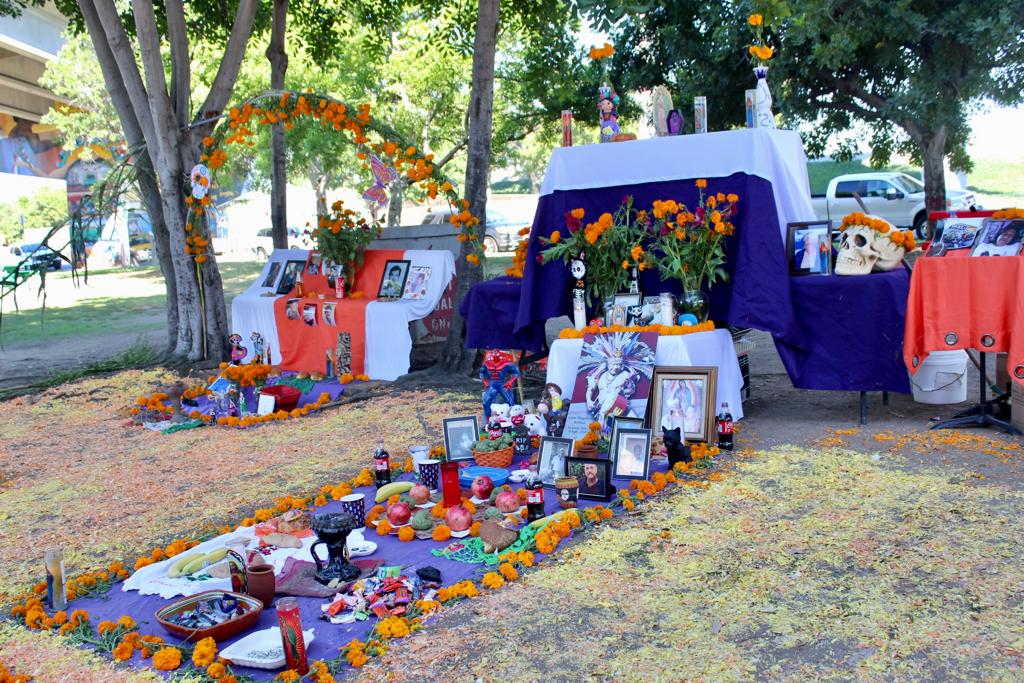
Angelica Palacios, one of the many individuals with Mexican roots in the United States, talked about her Day of the Dead altar, which carries a 13-year legacy in San Diego
Day of the Dead altars are a fundamental part of the celebration of the Day of the Dead in Mexico and some other Latin American cultures. This festival, which takes place on November 1st and 2nd, is a special occasion to remember and honor loved ones who have passed away.
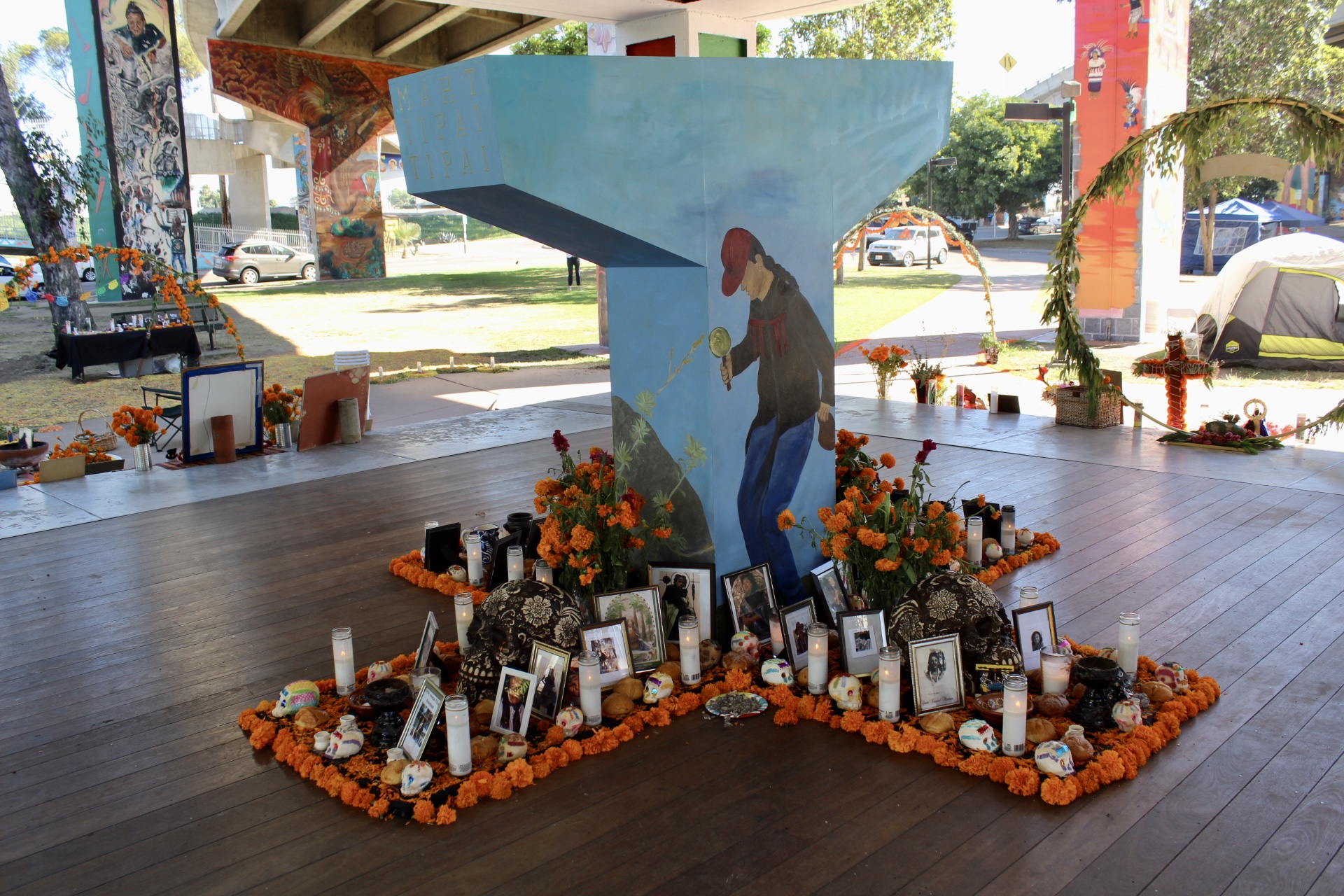
This beautiful tradition has spread around the world and is now celebrated in different countries. Due to the proximity between San Diego and Tijuana, it is very common to see this ritual taking place in various cemeteries in California as well, as people who decide to migrate to the United States not only bring their desire to move forward but also their traditions.
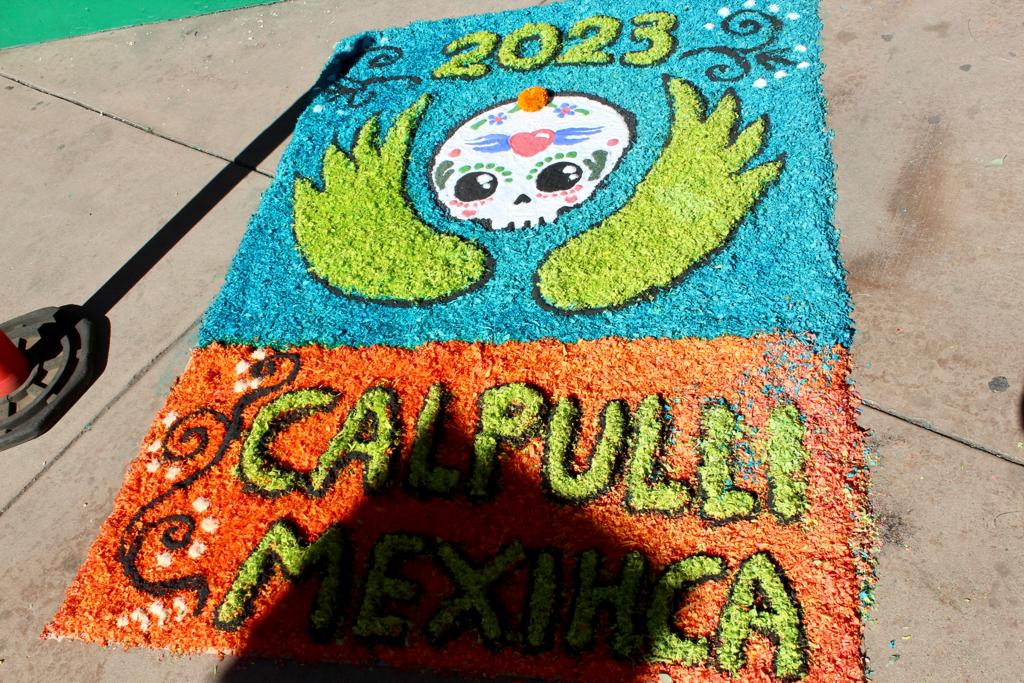
Angelica Palacios, one of the many people with Mexican roots, commented to Baja News about her Day of the Dead altar, which has a 13-year legacy in San Diego and, as she mentioned, will continue to be passed down.
"Our altar is purely Chichimeca, the 'Barande,' which is the offering made especially for our souls who have passed on to a better life. They are the conquering souls of the four winds; that's what we call them because they are our dancing souls who left us our traditions. They walked through many places in Mexico, from Alaska to Patagonia, you could say. We are dancers; we are from the land's tradition, throughout Latin America, North America included." Angelica Informs BajaNews.
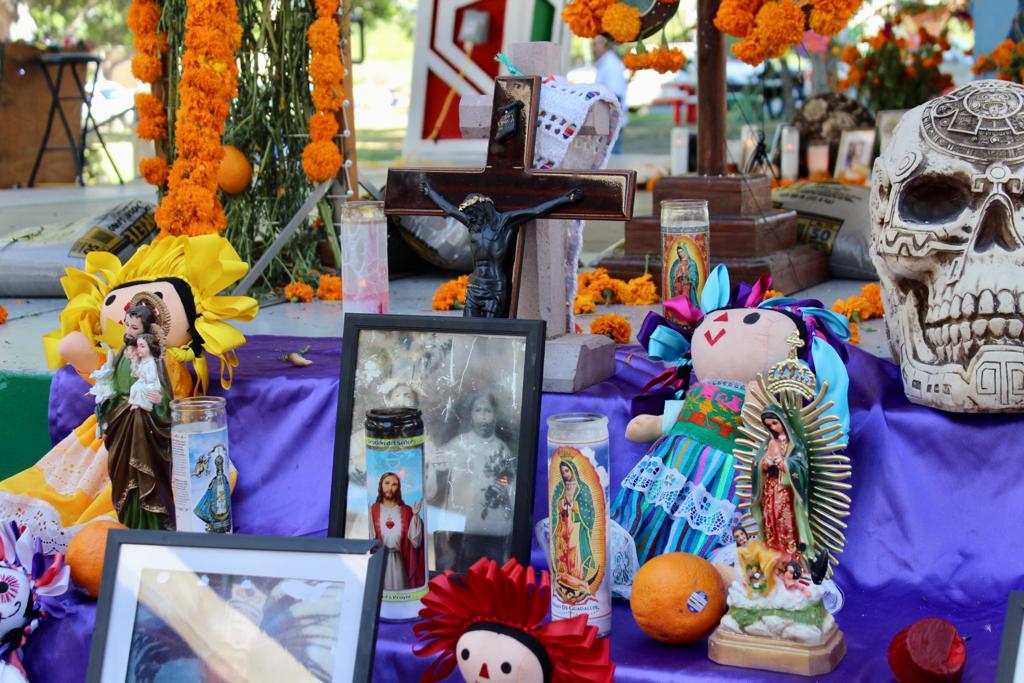
She also mentioned that this tradition has been passed down through seven generations in her family, starting with Ramón Gonzáles and Maximiliana Mendoza, who were among the founders of "the dance."
The dance originated in Querétaro in 1531 during a major battle between the indigenous people and the Spanish. A cross appeared in the sky, and the indigenous people exclaimed, "He is God." They believed that the cross was God and that it came to calm their spirits and bring about peace. So, when we dance, we say, "He is God," as a way of saying, "Let's go to the peaceful battle."

Nacional
hace 20 minutos
El legislador puntualizó que es necesario fortalecer el apoyo por parte del Gobierno Federal, ya que ..

Policiaca
hace 47 minutos
El accidente provocó severos congestionamientos en el Condado Norte de San Diego ..

Policiaca
hace 52 minutos
Crash caused major traffic delays across North County San Diego ..

Cali - Baja
hace 1 hora
Aquí te decimos el tiempo en garitas y a que altura se encuentra la línea ..

Deportes
hace 9 horas
El juego se definió en la décima entrada gracias a un sencillo de Junior Lake. ..

Policiaca
hace 9 horas
Ramiro Tolentino Reyes y uno de sus escoltas resultaron heridos durante una agresión armada sobre la ..